Pet Travel Safety & Stress Reduction
Safe pet transportation is not only about getting from one place to another. For cats, senior pets, nervous animals, and medically sensitive travelers, the way a move is planned can affect appetite, hydration, regulation, mobility, and recovery.
Go Pet Go approaches transportation with an animal-care lens, using experience from Cats in the City® and TANDEM Cat® systems to support calmer, safer transitions whenever possible.
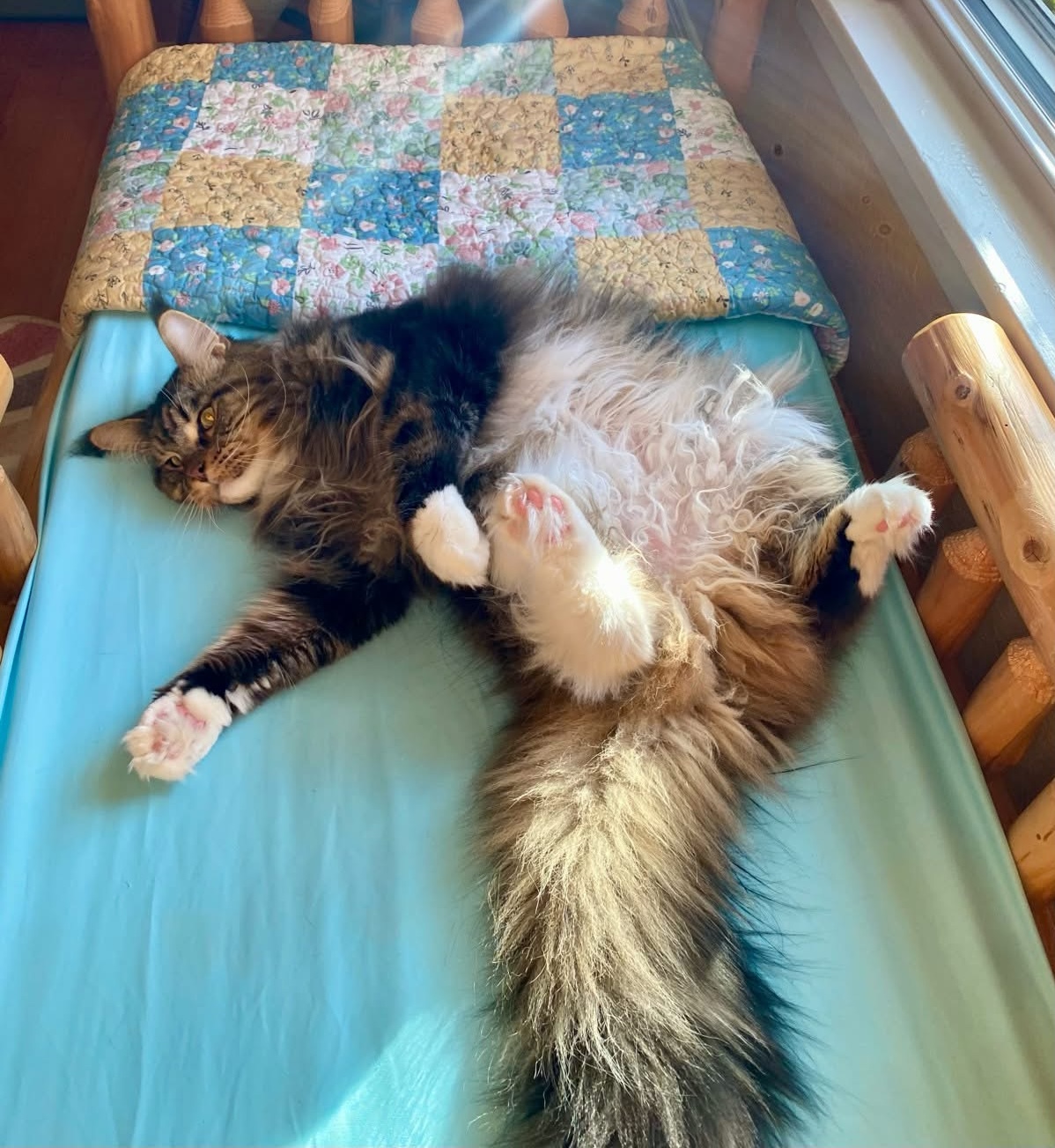
Transportation Planned Around the Pet’s Body
Travel can be physically and emotionally demanding for animals. Noise, motion, crate confinement, unfamiliar handling, disrupted routines, new smells, and long wait times can all increase stress.
Our goal is to reduce avoidable stress wherever possible by planning transportation around timing, handling, communication, hydration, rest, and transition support.
Cats Travel Differently Than Dogs
Cats often respond strongly to environmental change. A move can disrupt appetite, elimination, sleep, vigilance, scent security, and emotional stability.
Go Pet Go brings feline-specific experience into transportation planning, especially for cats who are senior, anxious, medically sensitive, newly adopted, or moving through airport travel.
When Pets Refuse Food During Transition
Some cats stop eating when moved into unfamiliar environments. This can happen during relocation, boarding, airport travel, household disruption, or after a major change in routine.
Cats in the City® has developed clinical awareness around Transitional Stress Anorexia, a stress-related refusal to eat that can emerge during environmental transition. That experience informs how we think about travel pacing, observation, and support.
Preparing Pets for Travel Day
Carrier Familiarity
Pets often do better when their crate or carrier is familiar before travel day.
Stable Routines
Keeping food, medication, and rest routines steady can reduce disruption before travel.
Timing Planning
Travel timing should account for medication, meals, airport windows, and rest periods.
Veterinary Guidance
Medically sensitive pets may need veterinary input before transportation.
Support for Sensitive Travelers
Nervous pets, senior animals, blind or deaf pets, tripods, diabetic cats, and pets on medication may need extra planning during transport.
Hydration, Appetite, and Regulation Matter
Travel stress can affect water intake, appetite, posture, movement, sleep, and comfort. These are not minor details for sensitive pets — they are part of whether the animal tolerates the transition well.
When travel involves boarding, airport timing, long transfers, or medical needs, we help think through practical ways to support regulation before, during, and after movement.
Transportation With Access to Care Infrastructure
Through our relationship with Cats in the City® and TANDEM Cat® Boarding, Go Pet Go can connect transportation needs with professional cat boarding, structured care plans, diabetic support, grooming coordination, and recovery environments when needed.
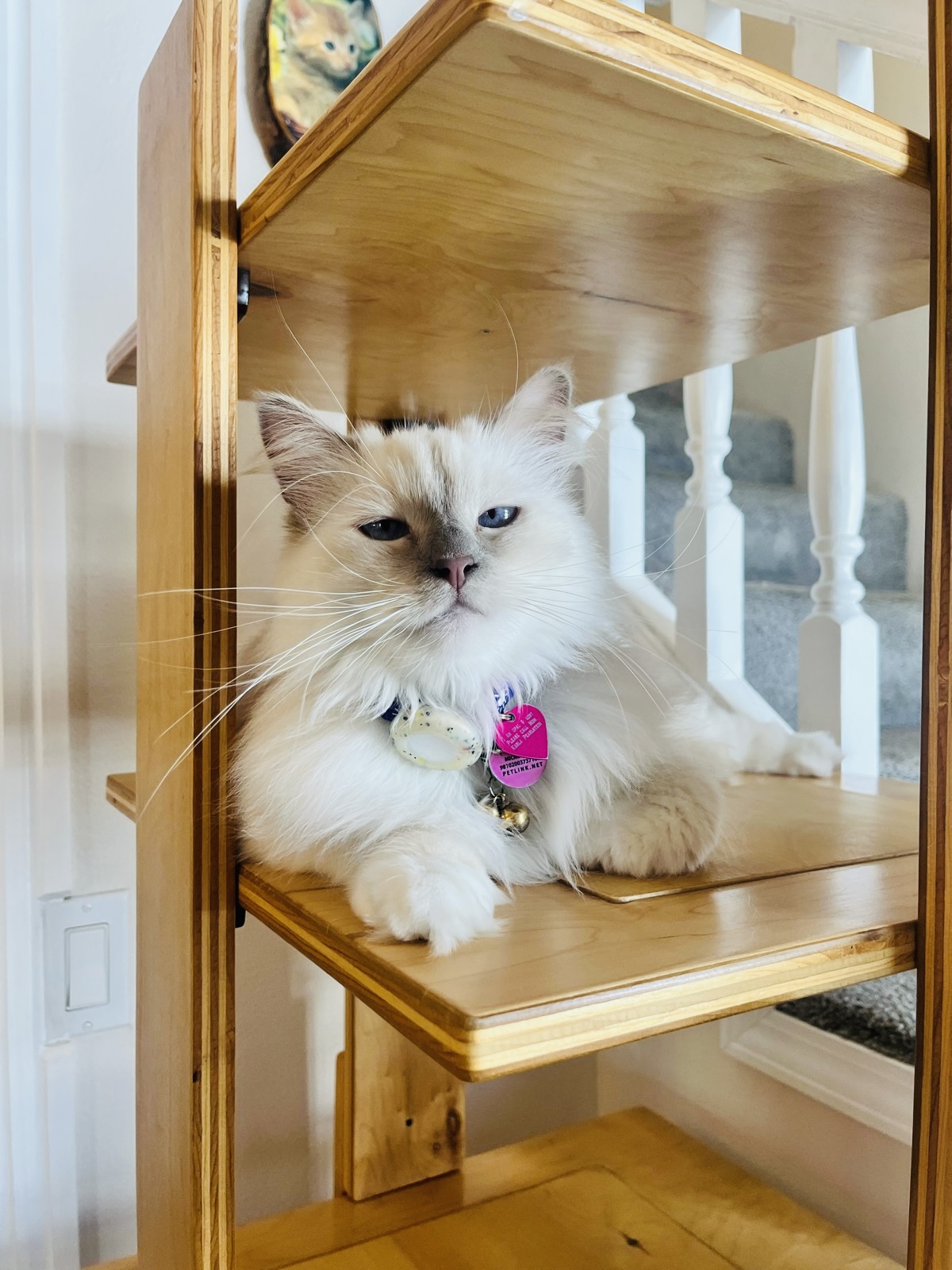

Plan Safer Pet Transportation
Tell us about your pet’s age, species, health needs, medications, stress history, appetite concerns, mobility, and travel timeline. We will help identify transportation options that fit the animal, not just the itinerary.