
How Pet Shipping Actually Works
Most people have never transported a pet by air before. The process can feel confusing because airline rules, airport procedures, weather restrictions, routing limitations, and crate requirements all affect how pets travel.
Go Pet Go helps families understand how domestic pet transportation works so they can make informed decisions and prepare their pets for safer, smoother travel experiences.

There Is No Single “Pet Shipping” System
Different airlines operate differently. Different airports have different handling procedures. Some pets travel in cabin, some travel as accompanied baggage, and some travel through airline cargo systems.
Travel planning depends on the species, size, destination, weather, airline restrictions, timing windows, and whether the pet can safely fit under a passenger seat or requires a larger crate configuration.
The Main Ways Pets Travel by Air
In-Cabin Travel
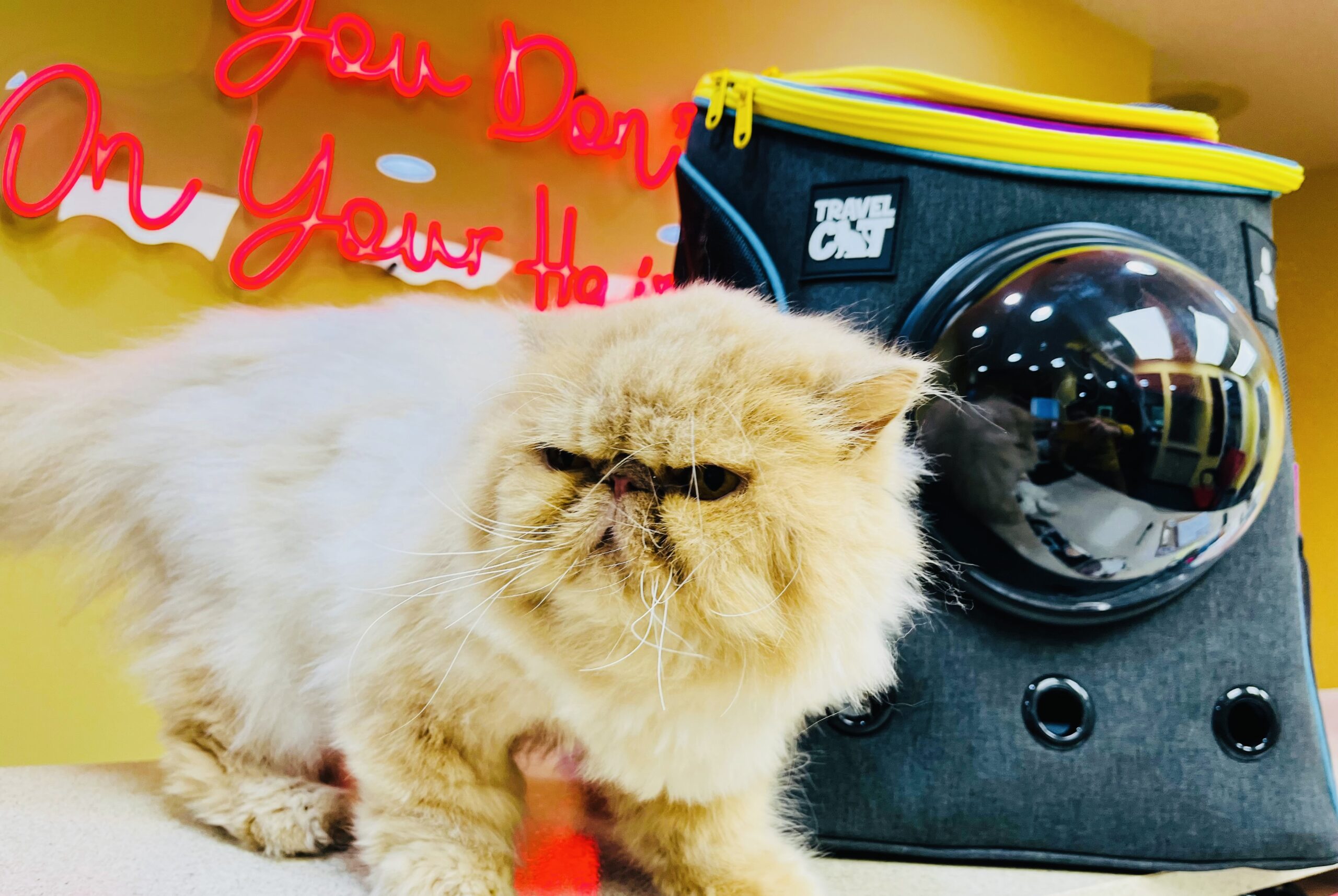
Small pets may travel inside the passenger cabin if they fit within airline-approved carrier dimensions and meet airline requirements.
Accompanied Baggage
Some airlines allow pets to travel in the aircraft hold while associated with a passenger ticket.
Airline Cargo
Larger pets or certain routes may require transportation through airline cargo divisions with separate handling procedures and timing requirements.
Ground Transportation
Some relocations involve direct vehicle transportation or combinations of ground and air travel.
Why Airport Timing Matters
Pet travel often involves strict check-in windows and cargo processing deadlines. Airlines may require pets to arrive hours before departure depending on the airport and routing.
What Are Temperature Embargoes?
Airlines may suspend pet transportation during periods of extreme heat or cold. These restrictions are called temperature embargoes.
Embargoes are designed to reduce risk during loading, unloading, and tarmac exposure. They can affect routes seasonally or suddenly depending on weather conditions at origin, layover, or destination airports.
Why Crate Requirements Matter
Airlines have strict requirements regarding crate sizing, ventilation, labeling, absorbent bedding, water access, and structural safety.

Pet Travel Plans Sometimes Shift in Real Time
Unlike standard passenger travel, pet transportation can be affected by weather embargoes, aircraft limitations, staffing changes, airline policy updates, and route availability.
In some situations, travel plans must be adjusted quickly to maintain safe transport conditions for the animal.
Documentation Requirements Vary
Depending on the destination, airlines and states may require health certificates, vaccination documentation, import paperwork, or species-specific approvals.
Travel Is Different for Every Animal
Cats, dogs, senior pets, diabetic pets, nervous travelers, and medically sensitive animals all respond differently to transportation and environmental change.
That is why thoughtful planning matters. Transportation is not only about logistics — it is also about managing transitions, stress exposure, timing, hydration, feeding schedules, and environmental stability.
Planning a Move With Your Pet?
Tell us about your pet, travel timeline, and destination. Our team can help explain available transportation options and build a customized relocation plan.